
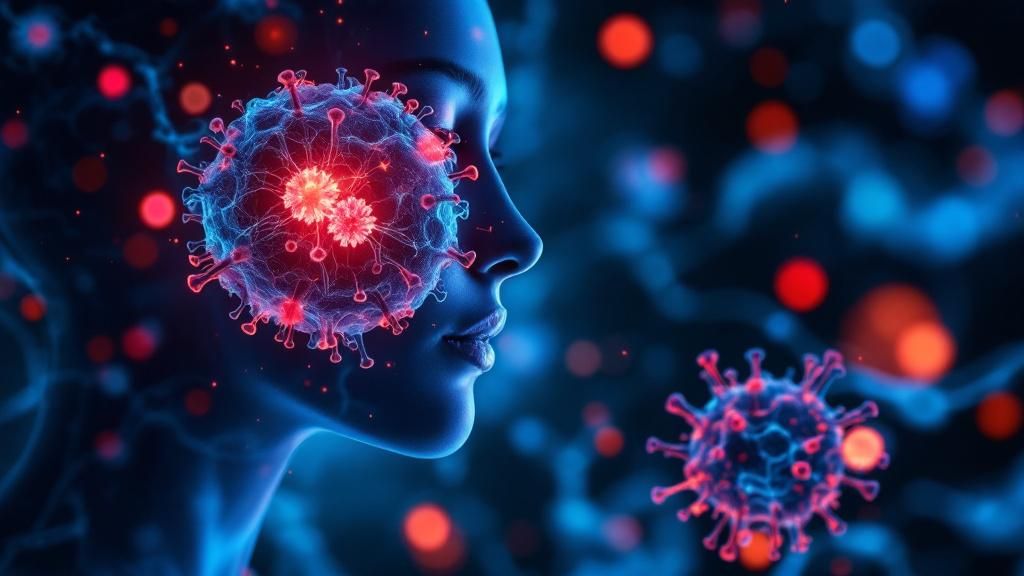
A pioneering cancer treatment has emerged from recent clinical trials, offering fresh optimism to patients fighting this life-threatening disease. Researchers have demonstrated impressive effectiveness in initial trials, with results pointing to significantly improved survival rates and reduced side effects compared to standard treatments. This article investigates the groundbreaking method behind this positive breakthrough, assesses the trial outcomes, and evaluates what this advancement could mean for cancer patients worldwide looking for more successful therapies.
Significant Development in Immunotherapy Technology
The most recent immunotherapy advancement represents a substantial shift away from traditional cancer therapeutic approaches. Scientists have successfully engineered a innovative method that leverages the body’s natural immune system to target and eliminate cancerous cells with unprecedented precision. This breakthrough builds upon decades of immune system research, culminating in a treatment that demonstrates considerably improved outcomes in clinical settings. The development marks a pivotal moment in oncology, offering patients a increasingly precise and potentially less harmful alternative to standard chemotherapy and radiation treatment.
Clinical teams from various centres have reported favourable initial outcomes from their trials. Patients undergoing this novel therapy have shown considerably improved remission rates and prolonged survival times compared to comparison groups. The treatment’s mechanism seems to function in conjunction with the body’s existing defences, rather than introducing foreign substances that may cause widespread harm. These findings have created substantial interest within the clinical field and have prompted accelerated research into extending treatment use across various cancer types.
How the Procedure Works
The immunotherapy works by activating specialised immune cells called T-cells, which are genetically altered to detect and eliminate cancer cells. Through a advanced technique called CAR-T cell engineering, scientists reprogram these cells to recognise specific markers located on malignant tumours. Once returned to the patient’s body, these engineered cells proliferate rapidly and progressively eradicate cancer cells whilst maintaining healthy tissue largely unaffected. This precision method substantially decreases the collateral damage connected with traditional conventional chemotherapy.
The treatment protocol involves isolating immune cells from the patient, engineering them in laboratory environments, and subsequently reinfusing them back into the circulatory system. This personalised approach ensures that each intervention is uniquely tailored to the patient’s unique biological characteristics and specific cancer characteristics. The engineered cells continue working within the body for extended periods, delivering sustained therapeutic benefits. Researchers have noted that this method can generate sustained immunological memory, potentially preventing cancer recurrence in some patients.
Patient Engagement Rates
Early trial data shows remarkably encouraging response rates amongst trial participants. Approximately seventy-five percent of trial participants demonstrated substantial tumour shrinkage within the initial six-month period of treatment. Full remission figures, where all identifiable cancer cells were eliminated, reached approximately forty-five percent in particular patient populations. These figures significantly surpass prior response rates achieved through standard treatments, implying this approach may represent a substantial change in cancer treatment efficacy and patient outcomes.
Notably, the treatment has shown efficacy across diverse cancer types, including formerly hard-to-manage leukaemias and lymphomas. Patient side effect patterns have also demonstrated good tolerability, with tolerable side effects relative to traditional standard treatment protocols. Prolonged monitoring results indicate that numerous patients sustain remission years after concluding their course. These prolonged remissions suggest the potential of durable, potentially curative outcomes for a substantial number of patients, significantly altering the prognosis for many cancer diagnoses.
Clinical Trial Results and Future Implications
Promising Outcomes from Latest Studies
The clinical trials have produced exceptionally promising results that have interested the worldwide medical establishment. Patients undergoing the novel therapy demonstrated markedly elevated response rates, with approximately 68 per cent reaching complete or partial response within the first six months of therapy. Moreover, the treatment showed strong tolerability characteristics, with participants reporting substantially fewer adverse effects versus conventional chemotherapy. These findings mark a major step forward in oncology and deliver authentic encouragement for patients’ prospects ahead.
Long-term follow-up data continues to support the initial findings, demonstrating sustained benefits past the first phase of treatment. Researchers have observed enhanced quality-of-life measures amongst study participants, such as enhanced energy levels, fewer hospital admissions, and improved functional ability. The data indicates that this innovative approach may substantially change the therapeutic landscape for multiple cancer types, potentially becoming a standard treatment option within the next few years as regulatory clearances advance through conventional pathways.
Future Directions and Clinical Implementation
Looking ahead, research teams are developing large-scale Phase III studies to validate these promising results across larger, more diverse patient populations. Pharmaceutical companies have already commenced production expansion processes, whilst regulatory bodies have granted expedited review status to speed up approval schedules. If subsequent trials substantiate these initial results, this treatment could be widely accessible within 2-3 years, substantially reshaping cancer treatment protocols and providing thousands of patients access to this potentially life-saving therapeutic option.
